


Understanding yourself to look after yourself and recover your emotional wellbeing
A reality silenced for far too long
How many times have you felt that, as a woman, you have to put up with things without complaining? For a long time, women’s mental health has been a silenced or neglected issue. Despite the progress made, many women still live with an invisible emotional load, shaped by pressure, gender roles and the constant need to “cope with everything”.
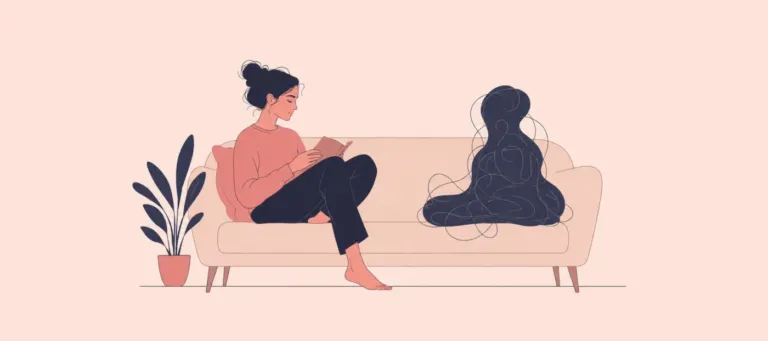
Talking about women’s mental health means giving a voice to a complex reality: that of the women who care, support, organise and accompany others, often without having any space to listen to themselves. This mismatch between what we feel, what we think and what we do can lead to anxiety, stress, irritability or persistent sadness. Like when you want to rest for a while but feel the need to make the most of the time to get pending tasks done. Sustained over time, this can create an inner tension that is hard to bear.
Women often take on multiple roles at once – mother, partner, professional, daughter, carer – and try to fulfil them all to perfection. This inner demand to do it all can lead to emotional exhaustion and a sense of no longer knowing yourself: “How am I really? What do I need?”
Behind many cases of anxiety, insomnia, low mood or unexplained physical discomfort, there is an emotion crying out and waiting to be heard. Understanding this distress as a signal rather than a weakness is key to beginning a process of self-care.
Keys to looking after your mental health and emotional wellbeing
An emotionally healthy woman is not one who can cope with everything, but one who knows herself, respects herself and knows how to set boundaries. Getting there is not always easy; it often takes courage and time to listen to yourself without judgement. Learning to say “no”, to identify what wears us down and to prioritise our own wellbeing is not selfishness: it is health.
Emotional wellbeing practices such as mindful breathing, relaxation, meditation or emotional expression through art or writing can help a great deal. But often a further step is needed: a therapeutic space in which to understand your own emotions and give them a safe place.
The therapeutic process allows you to untie inner knots, question limiting beliefs and rebuild a healthier relationship with yourself. It is a space where you don’t need to pretend or please, only to be and explore. Where we can put into words what we have often learnt to keep quiet about.
If you feel disconnected, exhausted or you identify with this silent distress that so many women carry, perhaps it is time to stop and look at yourself from a different place. Looking after yourself is not a whim; it is a form of resistance and of love for yourself. What would happen if you gave yourself permission to listen to yourself today?
Be there for yourself. Listen to yourself. Recognise yourself. Your wellbeing matters too.
If you found this article interesting, we recommend reading the following: