


At certain times, we have all felt anxious, especially when facing stressful and uncertain situations. Anxiety is an unpleasant emotional state that our body experiences when there is an inner mismatch between what we feel, think and do. On many occasions, anxiety is functional because it supports our survival, serving a useful purpose that allows us to adapt to life’s difficult circumstances.
However, we need to pay special attention when this emotional state causes such significant distress that it interferes with the person’s everyday life and, rather than helping, becomes an obstacle, causing a great deal of distress in their daily functioning.
Anxiety can arise when we unconsciously perceive certain situations with a great deal of worry and intense, excessive and persistent fears about everyday matters that are out of proportion to the real “danger”. In these cases, the well-known anxiety disorders may appear. These situations produce very unpleasant physical and psychological effects.
Some of the most common include:
- Feeling nervous, restless or tense
- A sense of impending danger
- Excessive worry
- Avoiding situations that cause distress
- Irrational fears
- Irritability
- Increased heart rate
- Rapid breathing (hyperventilation) or difficulty breathing
- Sweating and trembling
- Feeling weak or tired
- Difficulty concentrating
- Difficulty falling asleep
- Gastrointestinal problems
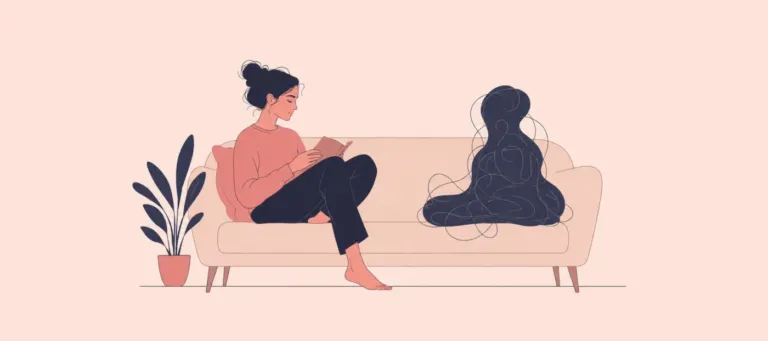
As we said earlier, one way of understanding this intense distress is by becoming aware of the inner mismatch we may have between what we feel, think and do. In this way, there are many ways to connect with our present and understand how we work inside through awareness. The aim is not to fight against anxiety, but to understand what it is warning us about and to give it the space it needs so that, just as it arrives, it can leave.
One of the most common and natural ways of treating it is through meditation and relaxation. At the same time, alongside tackling the symptoms with relaxation exercises, it is very important that we come to understand what is triggered each time anxiety comes to visit us, and we can achieve this through the introspective work of the therapeutic process. Understanding our inner emotional world and having the right emotional regulation techniques at our fingertips will help us a great deal to manage and calm anxiety, and also to regulate the recurring, irrational thoughts that overwhelm us in these situations.
If you would like to get to know and understand how you work inside and acquire these tools to use whenever you need them, I encourage you to begin this enriching process. I am sure you will feel a great improvement in your overall wellbeing.