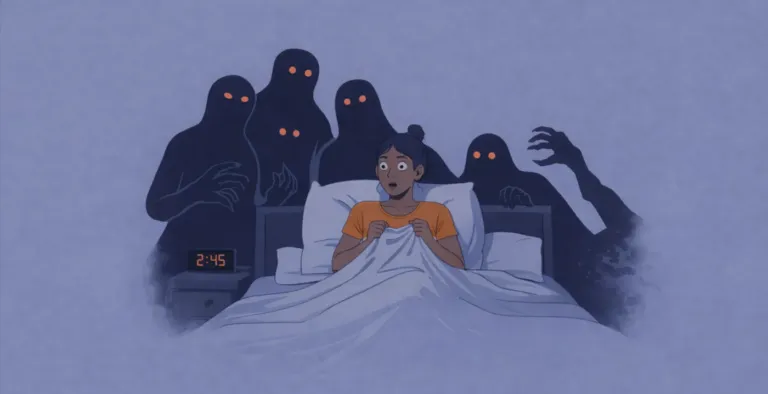



There are times when, almost without realising it, our life starts to revolve around one idea: “I can’t feel this.”
I can’t feel this much anxiety.
I can’t feel this sadness.
I can’t go on with this fear, this anger or this emptiness.
And that is completely understandable. When something hurts, the most natural thing is to try to push it away.
We all do it, in one way or another. We try to distract ourselves, keep busy, think about something else, control what will happen or avoid situations that stir us up inside. Sometimes it works for a while. We feel relief. We breathe.
But often, without meaning to, our life gradually gets smaller.
We stop doing certain things “until we feel better”. We move away from people, decisions or places that matter. And, little by little, we end up investing more energy in trying not to feel than in living the life we would like to live.
Much of human suffering comes not only from emotional pain, but from the constant struggle to get rid of it.
When controlling everything wears us out
We have been taught that control is a good thing. And in many ways it is. Getting organised, looking after ourselves or anticipating problems can be useful. But emotions don’t work like a diary or a light switch. Some thoughts appear without asking permission. Some emotions leave when they choose, not when we decide. And there are inner experiences that, the harder we try to make them disappear, the more present they become.
We can use a very simple metaphor to explain this:
Russ Harris’s beach ball metaphor
Imagine we are trying to hold a ball under water. The harder we push to stop it coming up, the more energy we need to keep it there. And sooner or later, the ball bursts back up to the surface with even more force.
Something similar happens with emotions. When we constantly try to control fear, sadness or unpleasant thoughts, we often end up even more trapped by them. Our energy becomes focused on “not feeling”, and this can end up limiting our life. Not because the discomfort is dangerous, but because the constant struggle against it wears us out.
The more we fight not to feel fear, sadness or insecurity, the more room they end up taking up inside us.
The hidden cost of avoiding discomfort
Very often, the problem is not just the anxiety or sadness itself. The problem is everything we stop doing to try not to feel them.
The conversation we avoid.
The relationship we don’t start.
The boundary we don’t set.
The project we put off.
The life we leave “for later”, for when we feel better.
And this is where many people feel stuck: waiting to feel well before they start living, when perhaps life also happens while there is fear, doubt or vulnerability.
Accepting is not giving up
One of the ideas that causes the most confusion is the word acceptance.
Accepting does not mean resigning ourselves. It doesn’t mean liking what we feel or no longer looking after ourselves.
Accepting means no longer declaring war on our inner experience.
It means recognising that there are difficult emotions that are part of being human and that, even so, we can keep moving towards what matters to us.
Perhaps the fear is there and we can keep taking steps.
Perhaps sadness appears and we can keep connecting with others.
Perhaps there is insecurity and we can keep building a meaningful life.
Because freedom doesn’t usually appear when all the discomfort disappears. It often appears when we stop living our lives conditioned by it.
Living isn’t feeling good all the time
The aim is not to eliminate emotional pain. The aim is to be able to hold what we feel without losing ourselves along the way.
Learning to make room for emotions, thoughts and human vulnerability allows us to recover energy and direct it towards what really matters: relationships, care, values, projects, presence and life.
Because, in the end, perhaps the question is not:
“How do I make this go away?”
But rather:
“How do I want to live while this is here?”
If you enjoyed this article, we recommend reading:
– Women’s mental health (click here)
– The body, the great forgotten (click here)
– When is the right time to go to therapy? (click here)