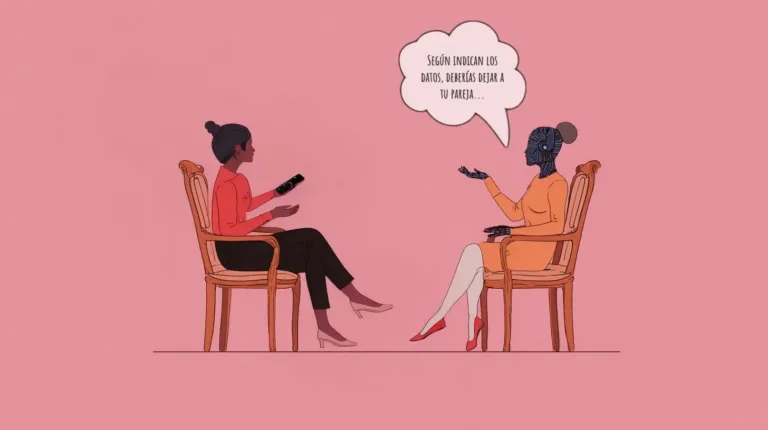


Speaking the same language doesn’t always mean understanding each other.
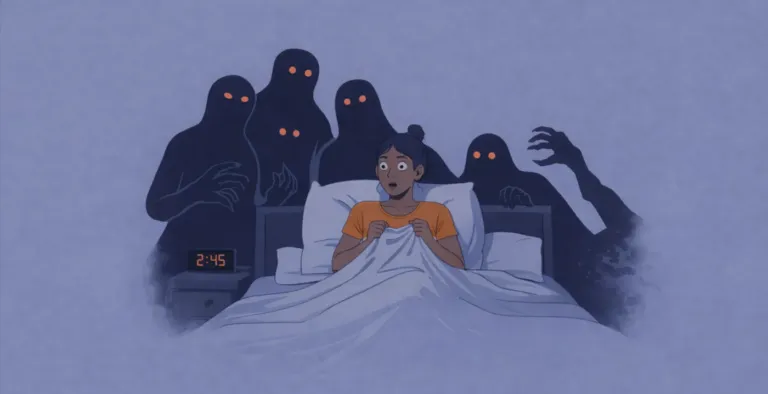
The same is true of love: you can feel you are giving everything and still feel that something isn’t getting through. And so one day you find yourself arriving home at dusk after a long day at work, thinking:
“I made dinner, I wrote a lovely message on a little note… and nothing, I get nothing back. Could it be that they don’t love me?”
The curious thing about all this, incredible as it may seem, is that in the vast majority of cases, while one person feels the balance is tipping towards the same side where they always lose out and receive less than they give, the other partner feels exactly the same, but the other way round.
This is because each person has a love language: a way of giving and receiving love that best fits our perception of, and need for, being loved. If we don’t speak the same language, it’s like sending a beautiful message… in a language the other person doesn’t understand. That’s why feeling that there is loving communication is key in any relationship (not just romantic ones). It isn’t only about what we give, but about the other person being able to receive it and feel it, and vice versa.
The existence of different love languages means that each person has a more genuine way of expressing and receiving affection, almost like their own emotional “dialect”. This doesn’t mean that each of us only understands our own language, or that couples who speak different languages are doomed never to understand each other. Rather, it means we share different, yet connected, ways of giving and receiving love. Some people need to hear kind words; others, physical contact or an affectionate gesture. What is undeniable is that they are all valid ways of giving and receiving love.
The psychologist Gary Chapman identified five love languages. Getting to know them and learning to recognise them can help us improve our relationships and, above all, understand each other better, beyond words.
1. Words of affirmation
A simple “I love what you’ve done” or “I’m proud of you” can be enormously powerful. For people whose language this is, love is something you hear. Sincere words, compliments and recognition make them feel valued. For example, imagine your partner cooking a special dinner. A “thank you for taking the time, you’ve made me so happy” can mean more – and be even more delicious – than the dish itself, however much love went into it.
2. Quality time
It isn’t just about being together, but about being present. For people most attuned to this language, love is measured in shared moments and full attention. It isn’t watching a series while you look at your phone; it’s looking each other in the eye, talking and connecting. Imagine an afternoon walk without distractions, or switching off your phones to talk until nightfall. For those who value this language, these moments create truly deep bonds.
3. Acts of service
Have you ever felt loved when someone helps you without being asked? For people whose language this is, actions speak louder than words. It could be anything from making a coffee in the morning to fixing something around the house. One example: your parents, despite being tired after a long day, have always offered to pick you up in the car to make life easier for you. Or when you make dinner for your partner while they study for an exam, so they can concentrate. That gesture says “I love you” without the need for words.
4. Receiving gifts
It isn’t about the monetary value, but the meaning. A thoughtful gesture, however small, conveys: “I thought of you”. It might be a flower, a handwritten letter or bringing them their favourite dessert. For example, if your partner mentions that they love a particular book and you give it to them, that gesture is sure to make them feel special and cared for.
5. Physical touch
Hugs, kisses, caresses… For people whose language this is, love is conveyed through the skin. A simple gesture, such as holding hands as you walk or a hug when you get home, conveys security and affection. Think of a long hug after a bad day. Sometimes touch says more than a thousand words.
Knowing your language and that of the people you love
Identifying your own love language and that of your partner, your parents… can transform the relationship. Ask yourself: what makes you feel truly loved? What hurts when it’s missing from a relationship? Knowing yourself is essential to understanding relationships, because you are always present in any relationship you have.
Next, observe the other person. Notice how the people you love give love: do they always offer to help you without being asked? Do they always have kind words to brighten your day? Do they always prepare a little treat or surprise? The way others express love is usually a very strong clue as to how they want to receive it.
It’s important to recognise and value the love we receive, even when it comes in a language different from our own. Having different languages doesn’t mean we can’t understand each other. It may be hard at first, but with time, affection and listening, we end up learning and understanding each other.
Appreciating an act of service or a kind word, even if our main language is physical touch, is also a way of telling the other person: “I’m here for you too, and you matter to me”. But be careful! This doesn’t mean we should silence our own needs so that we always adapt to other people’s language. Showing those we love how we feel most loved is also very important.
Ultimately, the magic of the love languages lies in finding a meeting point. Each of them is a valid expression of the same love and affection you feel, just through different – but equally valid – channels.
Understanding this allows us to learn to translate, adapt, recognise and, above all, value the love that is given and received, whatever form it takes, strengthening the bond and making us all feel loved and cared for.
If you found this article interesting, why not take a look at: