

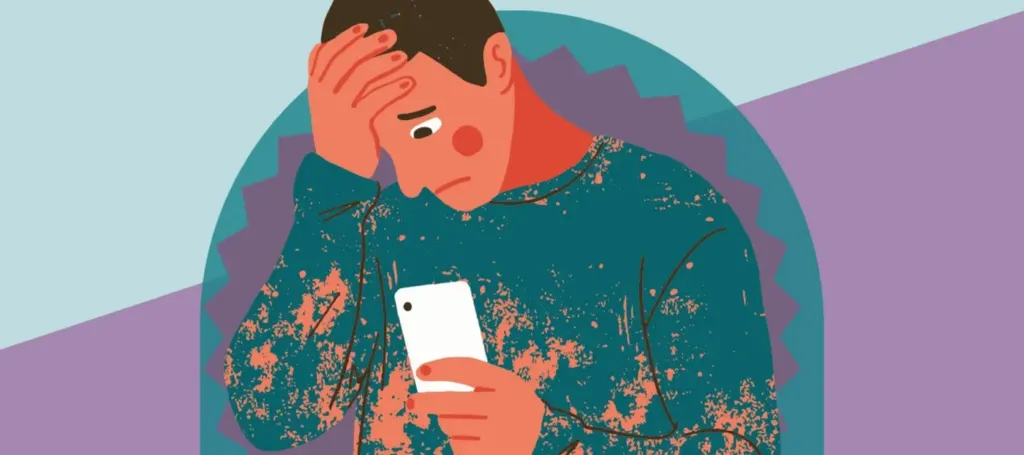
I’m not telling you anything new when I say that we live in a world increasingly connected by social media, which is fuelling FOMO (Fear of Missing Out) more and more every day, especially among young people.
If you weren’t familiar with the concept, FOMO refers to the fear of missing out on something and of not being part of it. It has traditionally been understood as the anxiety caused by the feeling of missing out on social events or activities but, in fact, it is a concept that delves into much deeper psychological territory, affecting the identity and sense of belonging of the person who experiences it.
The impact of FOMO on building our identity
As I was saying, FOMO is not limited to worrying about not going to the latest trendy events, not having taken that amazing trip to Bali that everyone goes on in the summer, or not being in the photo everyone is talking about; at its core, it reflects a deeper fear.
Our society works, moves and generates a whole series of desires for those of us who are part of it – desires that characterise and define us, and set us apart from other societies. So our society invites us to take part in events and activities that fit perfectly into the consumerist model we live in. These desires and activities are therefore the ones society considers “appropriate”, which is why it bombards us with campaigns full of messages such as “you have to experience it”, “you can’t miss it” or “live your life to the full”, accompanied by images and videos of beaches with turquoise waters, vibrant concerts, unforgettable parties and a long list of situations, products and settings that are supposed to make us happy.
FOMO reflects the fear of not being part of this society. Social media, with its constant displays of idealised experiences, helps to set a standard for the “ideal life” (if you’ll pardon the redundancy) that does not always resonate with everyone’s individual desires. As a result, those who do not identify with these desires and activities have no place in society.
This mismatch can lead young people to question their place in the world and to take up certain activities or join certain plans, even convincing themselves that this is what they want, when in reality what they want is to belong (not the activity or plan itself). In other words, they feel driven by the desire to avoid the fear of feeling left out.
On the other hand, those young people who do identify with what our social model promotes run the risk of building their identity and sense of belonging on a proposition saturated with endless ideals. Judging by the constantly changing, frantic flow of social media, we realise that it is never enough. There is always a new trend, a new dream destination, a new proposition… and I won’t go on, because we’d never finish.
This fantastic offer, inviting you to be part of everything, is extremely frustrating and impossible to keep up with. It is here, in this constant pursuit of an ideal of happiness that is always one step further away, that the poisoned message appears – the one nobody showed you in the adverts or on social media:
“You’ll never be completely happy, but don’t you dare stop chasing happiness – you have to keep being part of it.”
Do you know the famous fable of the donkey and the carrot? I’m sorry if you’re only just realising it, but yes, in the middle of this whole system, we are the donkey in the fable.
The impact on mental health
Clearly, the pressure to conform to the ideals promoted on social platforms can be overwhelming, leading to confusion about what we really want and who we want to be. This identity confusion is particularly dangerous in adolescence and early adulthood, which are critical stages for the development of self-concept.
The inner struggle between the desire to belong and the urge to follow our own interests can have a significant impact on young people’s mental health, leading to high levels of anxiety, depression and low self-esteem. And these are just some of the potential consequences of this inner battle.
Made worse by constant comparison with others on social media, young people focus exclusively on what others have and they lack, wiping out the value of what they do have or have achieved. This keeps the “If only I…” wheel turning, and the equation is simple…
The more you feel something is missing, the more your desire to fill that gap grows; more desire leads to more demand; more demand leads to more consumption; and the more you consume, the more you notice what you still lack.
And so this loop works – a perfect and at the same time terrible system – which young people (and not so young people) cling to in order to build their identity.
Coping strategies and reflection
Faced with this challenge, it is crucial to encourage healthy coping strategies and promote personal reflection. Young people need safe spaces to explore their identity.
Inevitably, with a few exceptions, technology and social media will be part of young people’s development. It is not about demonising the use of technology or digital platforms. It is about making sure there is also a space for building identity away from the influence of social media.
Introspection and open dialogue about what young people want and wish for can be a great help in dispelling the need to always follow the crowd and in encouraging them to find their own path.
To help you with this process, here are some recommendations aimed at young people (and not so young people) to encourage a more balanced relationship with social platforms:
- Self-reflection: When you use social media, take some time to reflect on your emotions and reactions to the posts you consume. Ask yourself what the content you consume gives you, and stop to notice whether you feel anxious or dissatisfied after using it.
- Setting limits: Set clear limits on your time on social media. This could include setting specific times of day to check it or limiting your total daily use. There is even a wide range of digital wellbeing tools and apps that can help you monitor and control this.
- Mindful consumption: Be selective about the accounts you follow. Prioritise those that inspire you, teach you something or make you feel good about yourself. The quality of the content you consume can have a very significant impact on your mental wellbeing.
- Building real connections: Try to balance your digital social life with face-to-face interactions. Real connections strengthen our sense of community and belonging in a way that virtual interactions cannot fully replicate.
- Cultivate offline interests: Develop hobbies and interests outside social media. This will not only give you a sense of achievement and satisfaction, but will also reduce your dependence on digital validation.
- Learning about FOMO: Now that you know about it, tell your friends and family about FOMO and its effects. Sharing experiences and strategies for dealing with it can create a supportive environment that encourages healthier habits.
- Gratitude: Stop to think about and appreciate what you have in your life, rather than what you might be missing out on. This exercise can significantly reduce your feelings of dissatisfaction.